
Why don’t boys read?
The Gender-Literacy Gap

When I was teaching, it was always the boys in my class (not all, but some) who would hit me with “I don’t like reading” or “I don’t read”. Don’t get me wrong, some of the girls would also complain, but it was mainly that they didn’t like the choice of book, not that they didn’t like reading. And I always found myself wondering why that is.
Now, obviously, there are plenty of boys out there who read regularly, but unfortunately, it is undeniable that there is a literacy gap between boys and girls. And I think there needs to be a focus on why that is and how we can change it.
Why is reading so important?
Everyone knows that reading is important and I feel I could very easily preach to the converted by listing all the reasons it is so beneficial to read. You obviously enjoy reading, you are reading right now! So yes reading expands our vocabulary, lessens stress and is linked to overall improved educational outcomes. You already know that.
But what is lower reading ability linked to?
Poor readers are less likely to achieve well in education. They are also less likely to be employed, if they are they are less likely to be high earners and less likely to receive promotions. They are more likely to become offenders and less likely to use preventative health services and manage medication and treatment well. To put it bluntly, poor readers experience lower life satisfaction and lower well-being.
The definition of a poor reader in this research is someone with a reading age of less than eleven. For context the average reading age of adults in the UK is 9-11 years old. Furthermore, in Scotland (where I live), one in four (26.7% / 931,000 people) adults experience challenges due to their lack of literacy skills.
(if you are curious about reading age I used to use the Hertfordhsire Reading Age test to give a basic idea).
Gen Alpha Can’t Read
(Or the so-called literacy crisis)
I have seen all over my TikTok that Gen Alpha (born between 2010 and 2024) can’t read. To give some of them a break, the youngest are only about two years old so they do have time to catch up.
In all seriousness, there is some truth to there being issues with reading attainment. These children missed a lot of school because of Covid 19 so that is to be expected somewhat across the board. However, there is some evidence to suggest that as children get older, their reading age stops progressing. The ‘What Kids Are Reading Report’ found that in Scotland, year P6 pupils are reading at their chronological age. In year P7 pupils are suddenly reading a year behind their chronological age, in year S1 two years behind, and in years S2-S4 at least three years behind.
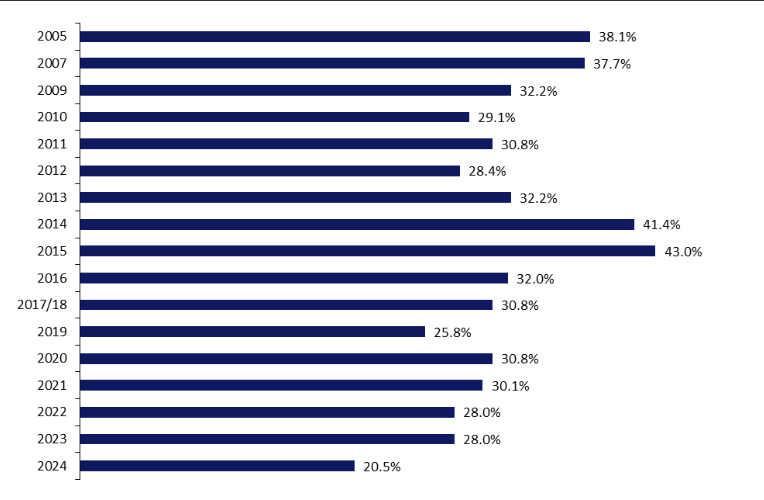
I want to focus more on reading enjoyment rather than reading ability, however, because it is much harder to get a child to improve their reading if they have no interest in it. That being said, the Annual Literacy Survey by the National Literacy Trust found in 2025 the percentage of children and young people who said they enjoyed reading was its lowest in 20 years. That meant only 32.7% of people aged between 8-18 saying they enjoyed reading in their spare time. Similar results were found in the What Kids Are Reading Report which found that only 20.5% of children in the same age group read in their free time daily.
It isn’t just children that aren’t reading though. In 2024 it was found that 50% of adults in the UK don't read regularly and 24% of people between the age of 16 and 24 (that was me at the time!) have never considered themselves readers. That is incredibly concerning and has real ramifications for children. The Education Secretary in the UK is even urging parents to read (not to their children, just to read!) as it will improve their children’s life chances.
So if reading is on the decline with everyone why have I titled this why do boys not read?
Boys read less than girls.
The gender gap in reading enjoyment is increasing and that is mainly due to boys wanting to read less not girls wanting to read more. Girls are more likely to read daily than boys and are much more likely to read during school holidays and at weekends. It has also been found that boys are more likely to skip over parts or entire pages while they read than girls are. Concerningly, it has even been found that young boys are read to less than young girls. Only 29% of boys between the ages of 0-2 are read to daily in the UK, compared to 44% of girls (still a shockingly low number when you consider how vital reading to children is in the early years in terms of language acquisition). Furthermore, 22% of boys in the same age group are read to rarely or not at all. These boys are being set up to fail and parents need to be educated on the importance of reading to their children.
I have already established that reading attainment is linked to overall educational attainment. So it really is no surprise that within education girls are outperforming boys almost globally. Now unlike some of the articles I have come across while reseaching this I am not about to imply that it is somehow a bad thing that girls are doing well in education or that ‘equality has gone too far’. But we can all agree that it is a bad thing that boys seem to be falling behind. The UK Paliament certainly agree as there was a recent inquiry where the Education Committee examined boys’ educational attainment and engagement.
But boys just prefer maths to reading!
In University I remember this being discussed. I can even visualise the section in my first ever education textbook on it. That it was just one of those things. Boys tended to prefer numeracy and girls tended to prefer literacy. Of course there are exceptions to the rule but in general that’s just how it is. I even saw this first hand while I was teaching. My highest achieving group in maths was almost all boys, and vice versa for reading.
While yes, there is research that suggests this is true (and I would also like to explore maths anxiety in girls), the literacy gap is bigger than the numeracy gap, i.e., girls have more of an advantage over boys when it comes to reading than boys have over girls when it comes to maths.
Boys do like reading! They just prefer non-fiction
This is a very commonly held belief when it comes to boys and their reading choices. And there is some evidence that it is the case. The ‘What Kids are Reading Report’ found that The majority of most popular non fiction books in 2024 read by children were about football, particularly with older children. While football is becoming more popular with girls, this is not reflected in their reading habits, so this emphasis on football is mainly because of boys’ interest.
Some studies have found that boys and girls are equally interested in non-fiction. It is just that boys tend to prefer non-fiction over fiction while girls are interested in both. Other studies have found that while boys may choose non-fiction over fiction, girls still read non-fiction more thoroughly and accurately than boys.
However, it has been argued that the belief that boys just prefer non-fiction actually does boys a disservice and deprives them of some learning opportunities. Limiting choices may lead to long-term consequences, as reading fiction more closely aligns with improvement across literacy indicators than reading other text.
Other ‘barriers’
While researching this I came across some reasons people claim why boys aren’t reading as much as girls. Some like ‘Drag readings to children traumatise boys so much they are put off reading’ I am not going to dignify with a response (but if you think that drag readings for children are so widespread and traumatising that they are a contribution to falling literacy rates in boys globally, I need you to touch grass).
‘Boys don’t see themselves represented in books!’
There is no shortage of books with male protagonists written by men. And I did find research about this! They found that though the proportion of female protagonists has increased over this 60-year period, male protagonists remain overrepresented even in recent years. So yes there are more books with female main characters nowadays but there are still more with male. Another point to this is that girls have no problem reading books with male protagonists. There are even studies where girls prefer male protagonists. So why should boys not read books with female protagonists?
‘Schools don’t have books that boys want to read!’
I think this is partly true. A lot of school libraries need updating with books that will capture the interest of all children. Class libraries as well are often stocked by the teacher and teachers can’t be expected to restock their personal collection every year with the latest books. Althoough that being said the most popular books in the ‘What Kids Are Reading Report’ were largely the same for boys and girls. In the early years the favourite book was ‘The Gruffalo’ (a classic). Upper primary the favourite became Jeff Kinney books (Diary of a Wimpy Kid). It is secondary school where there was a difference. Girls liked books by Holly Jackson and Colleen Hoover while boys said they liked books like ‘Animal Farm’ or ‘Of Mice and Men’. I find that so interesting! That demonstrates the difference in reading. Teenage girls mention popular books but not books you tend to study in school, like the ones the boys mention (unless some teacher is having a class study ‘It Ends with Us’). That really shows that teenage boys don’t tend to read outside of school.
What can we do?
The Literacy Trust found that:
3 in 10 (30.9%) were drawn in by an interesting book cover or title. (Me too)
1 in 4 (26.6%) valued having the freedom to choose what they read.
It is no secret that children are going to prefer to read books linked to their interests that they had ownership over choosing. Do you read books that you aren’t interested in?
Think about the reasons you read. I read for lots of different reasons. It helps me unwind before I go to sleep, I’m in a book club so there is a social element, I enjoy learning, I like reading on holiday, I like going into book shops etc. A lot of that is going to be applicable to all children. Children are people at the end of the day.
If I’m honest with myself the main reason I read is because it is a habit. A habit instilled in me from a very young age because I was encouraged to read. Because I had access to a library and was taken to regularly. Because I saw my parents reading. Because I was read to. Because I was a girl who was socialised into reading and reaped all the benefits of that. We can do the same for our boys.
I think another significant factor in encouraging boys to read is representation. And I don’t mean characters in books. I mean people in real life. Family members. Fathers. Uncles. Grandads. Brothers. It’s really important to show boys that reading is a good thing for men to do. If a boy doesn’t see any male relatives reading, he will be less likely to read himself.
Think back to your reasons for reading. If you don’t have any, the children in your life might not either.
Book Recommendations
This is mainly books that boys I work with have enjoyed! They are mostly very popular so I would be really interested to get some more!


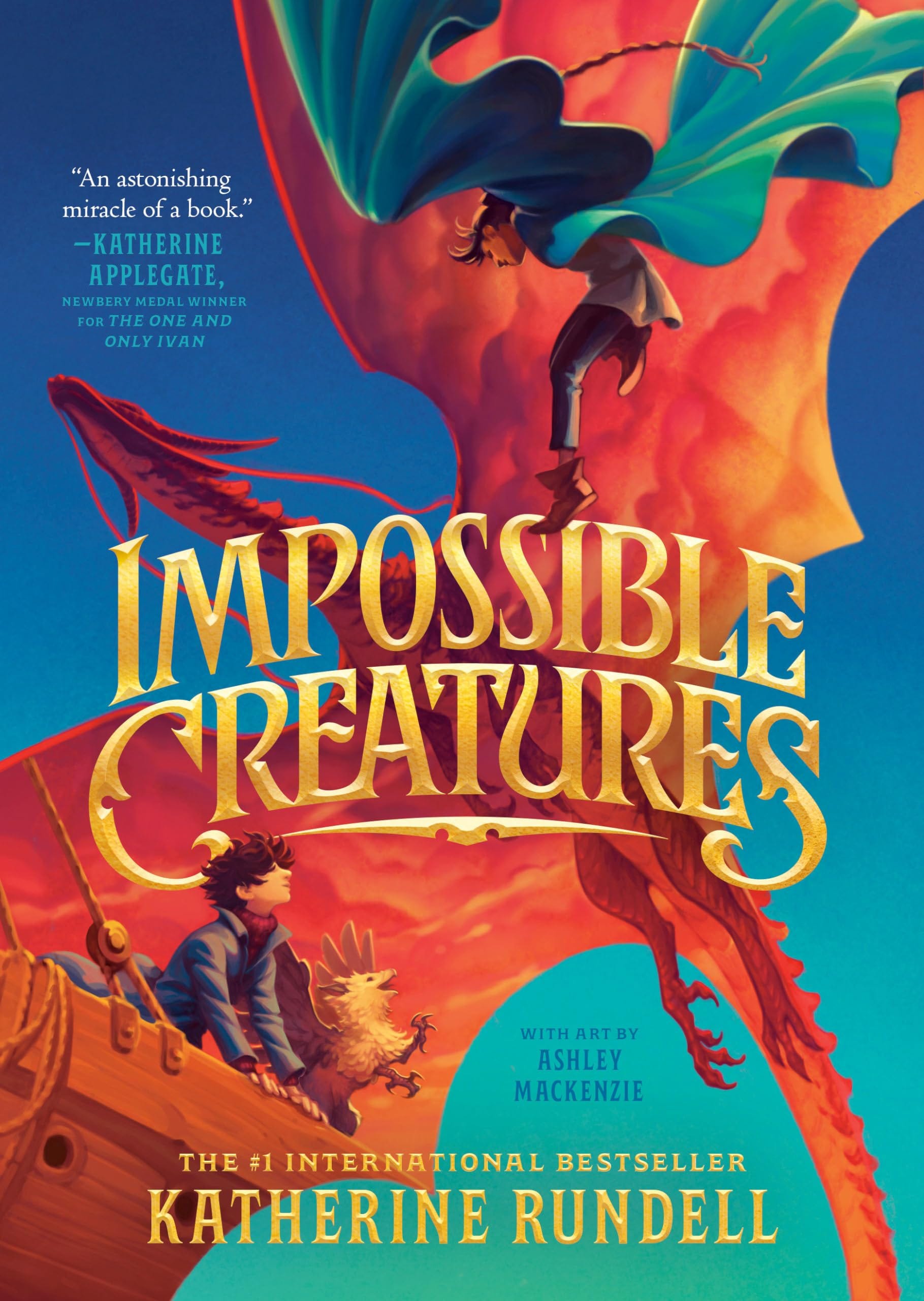

Let me know your book recommendations for boys!
Further Reading
I really recommend reading “Boys Don’t Read,” — The Hidden Demographics of the UK’s Literacy Crisis. In all honestly it really articulates a lot of what I’m trying to say but much better!!
I really liked this study as well especially as it uses the voice of the children! And it has a much more positive spin than most of what I read for this! Disrupting the 'boys don't read' discourse: Primary school boys who love reading fiction
So insightful! I had not thought about gender gap in reading enjoyment before 📚
Love this! This is so interesting. I loved the book Gone when I was younger 📚